Journal / Product
How to build products quickly
Speed is not an accident. It is a structural outcome. The organisations that build quickly are not necessarily smarter or better resourced — they have made deliberate choices about how they are organised.
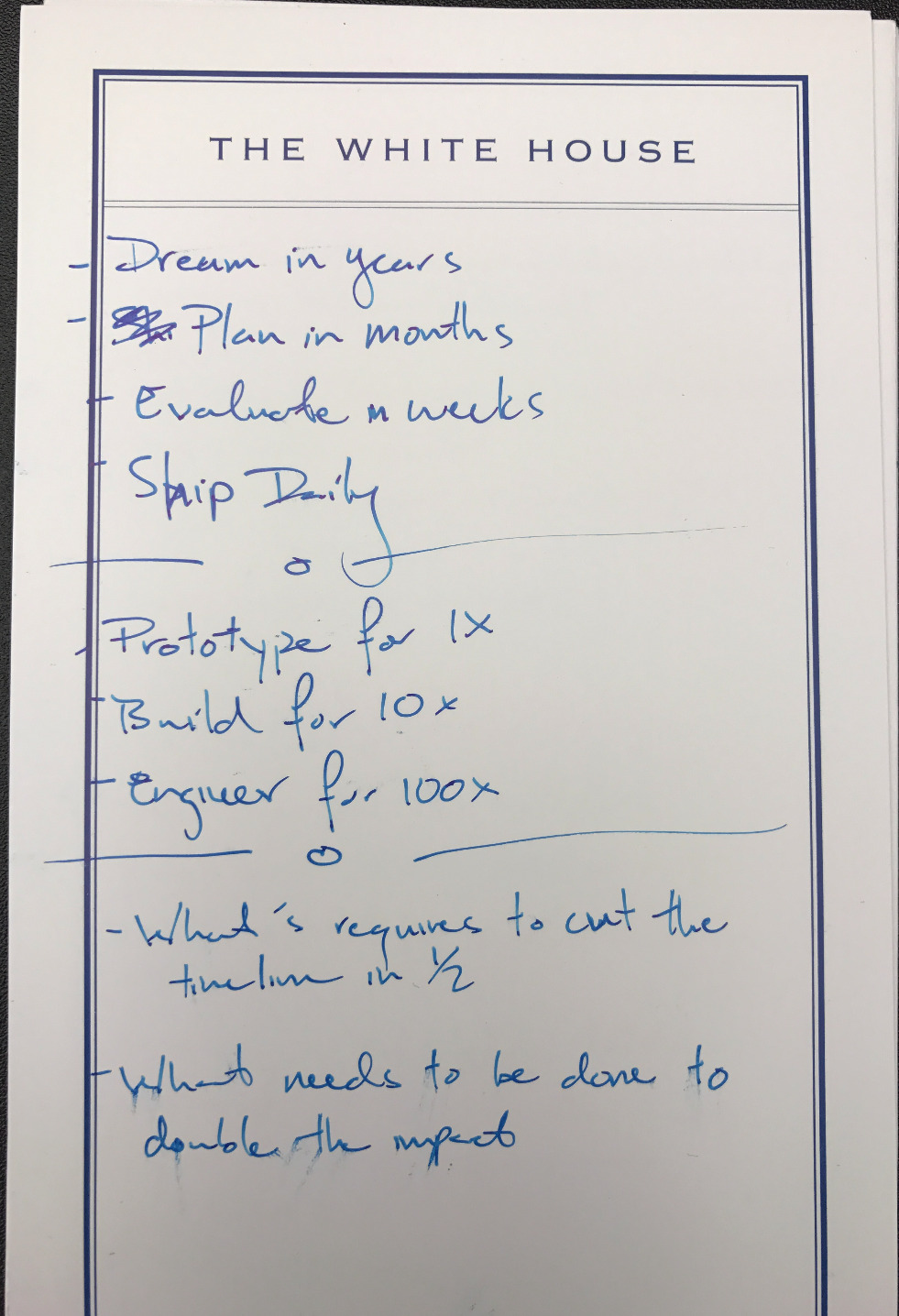
Why structure determines speed
Most teams that move slowly do not have a talent problem. They have an architecture problem.
Handoffs between teams, unclear ownership of decisions, approval chains that require sign-off from people who are not close to the work — these are the usual culprits. They accumulate gradually, often for good reasons, until the organisation is spending more time coordinating than building.
The structure of your product organisation determines the rate at which decisions can be made and acted on. That rate is your speed.
What fast product teams have in common
A few patterns come up consistently in organisations that build and ship quickly:
- Small, cross-functional teams with clear ownership. When one team can take an idea from concept to live without depending on three other teams, things move faster.
- Decision rights that match the work. The people closest to the problem should be able to make the call. Escalation slows everything down and often produces worse decisions.
- Short feedback loops from users. Speed only creates value if you are learning as you go. Teams that ship quickly but rarely talk to users just create waste faster.
- Explicit priorities. Speed collapses when teams have to negotiate what to work on. A clear, ranked backlog removes that friction.
The real cost of slowness
Slow product development is not just an efficiency problem. It is a competitive risk.
The longer the gap between identifying an opportunity and having something live, the more likely the market will have moved. A two-week sprint to invalidate an assumption is cheap. A six-month project to build something no one wants is not.
Organisational speed is one of the few durable advantages available to product teams. It is worth treating as a strategic priority, not just an operational one.